Start Here When Water Gets In
You walked in and saw water where it should not be. Maybe a pipe split during a cold snap. Maybe the basement took in meltwater after a long winter. Your stomach drops. That is normal, and you are not alone.
Take a slow breath. Water damage is a problem with clear steps, and you do not have to know them all today. If it is safe, shut off the water source, stay away from wet outlets, and take a few photos.
Administrativecross Restoration is a referral service for homeowners in Toms River and the Jersey Shore area. It connects you with independent local providers who handle water damage restoration, water extraction, structural drying, and flooded basement cleanup. Administrativecross Restoration does not do the work itself. The provider does.
Request a callback to check provider availability near you. Many providers can respond quickly, though timing and hours vary by provider.
Request an Estimate
Not ready to talk yet? That is fine too. You can ask questions first, and there is no obligation.
How This Works
What water damage really means
Water damage is any harm caused by water that is in the wrong place. It can come from a burst pipe, a failed sump pump, a leaking roof, or a storm. The water you can see is only part of it. Moisture also hides in walls, under floors, and inside insulation.
That hidden moisture is why quick action matters. Wet materials can grow mold in a few days. Wood can swell and warp. This is why many people look for emergency water damage repair as soon as they spot a problem.
How the seasons change the job
In cold months, pipes can crack when ice forms inside them. When the thaw comes, snowmelt can push water toward foundations. Spring rain adds more. Coastal storms can bring heavy rain and rising groundwater. Each season brings a different kind of leak, and a good provider knows the pattern.
If this is your first time
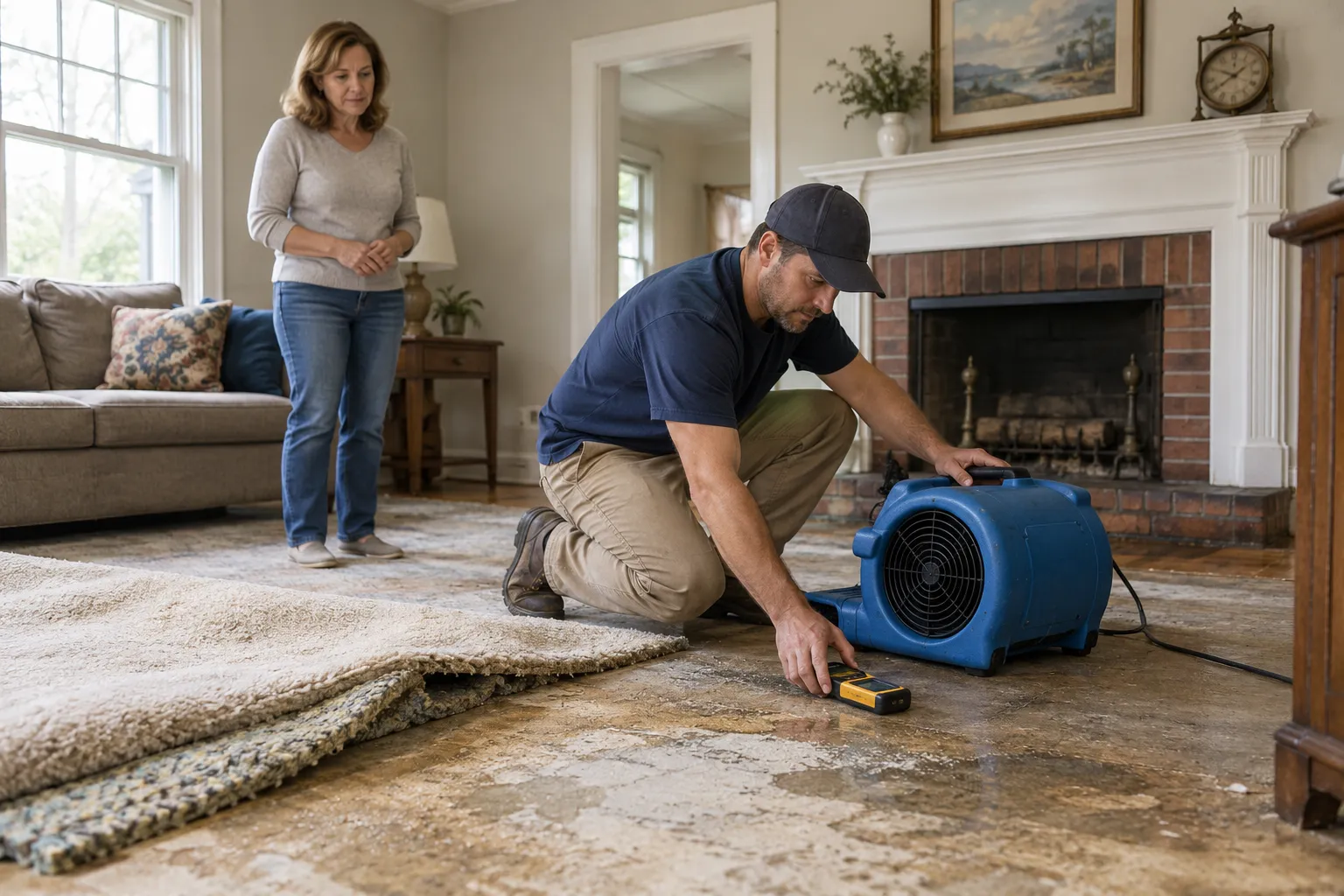
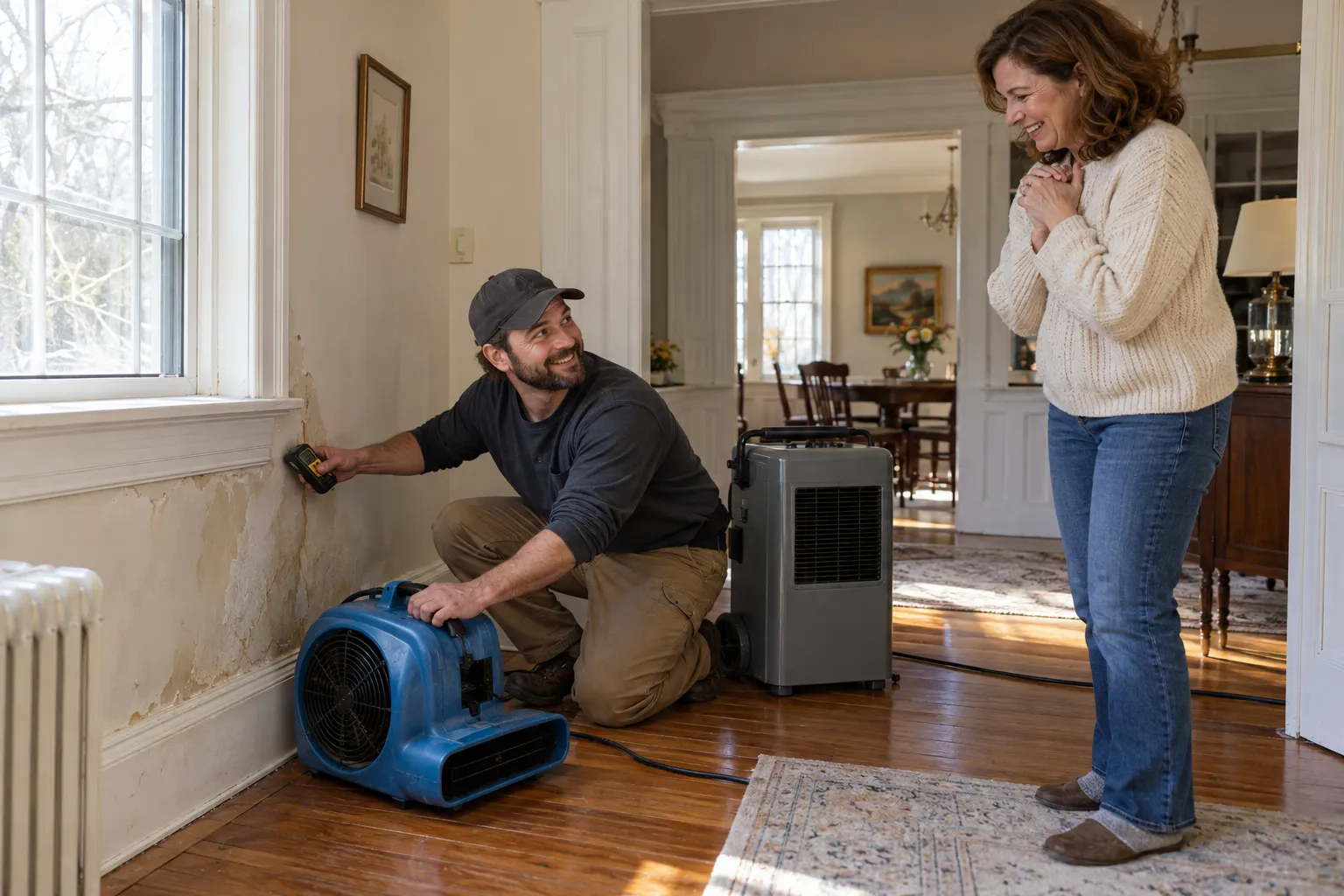
Most people have never dealt with this before. You may hear words like extraction, drying, and moisture mapping. Extraction means pulling standing water out. Structural drying means using fans and dehumidifiers to dry walls, floors, and framing. Moisture mapping means checking what is still wet.
A provider will walk through your home, explain what they find, and give you a written quote. You decide what happens next.
Where Administrativecross Restoration fits
Administrativecross Restoration does not send its own crews. It is a referral service. You tell it what happened, and it connects you with a local provider in its network. The provider handles the work and the pricing.
Serving Toms River and Nearby
Administrativecross Restoration focuses on Toms River and the Jersey Shore area. Homes here have their own quirks, and providers who work nearby understand them.
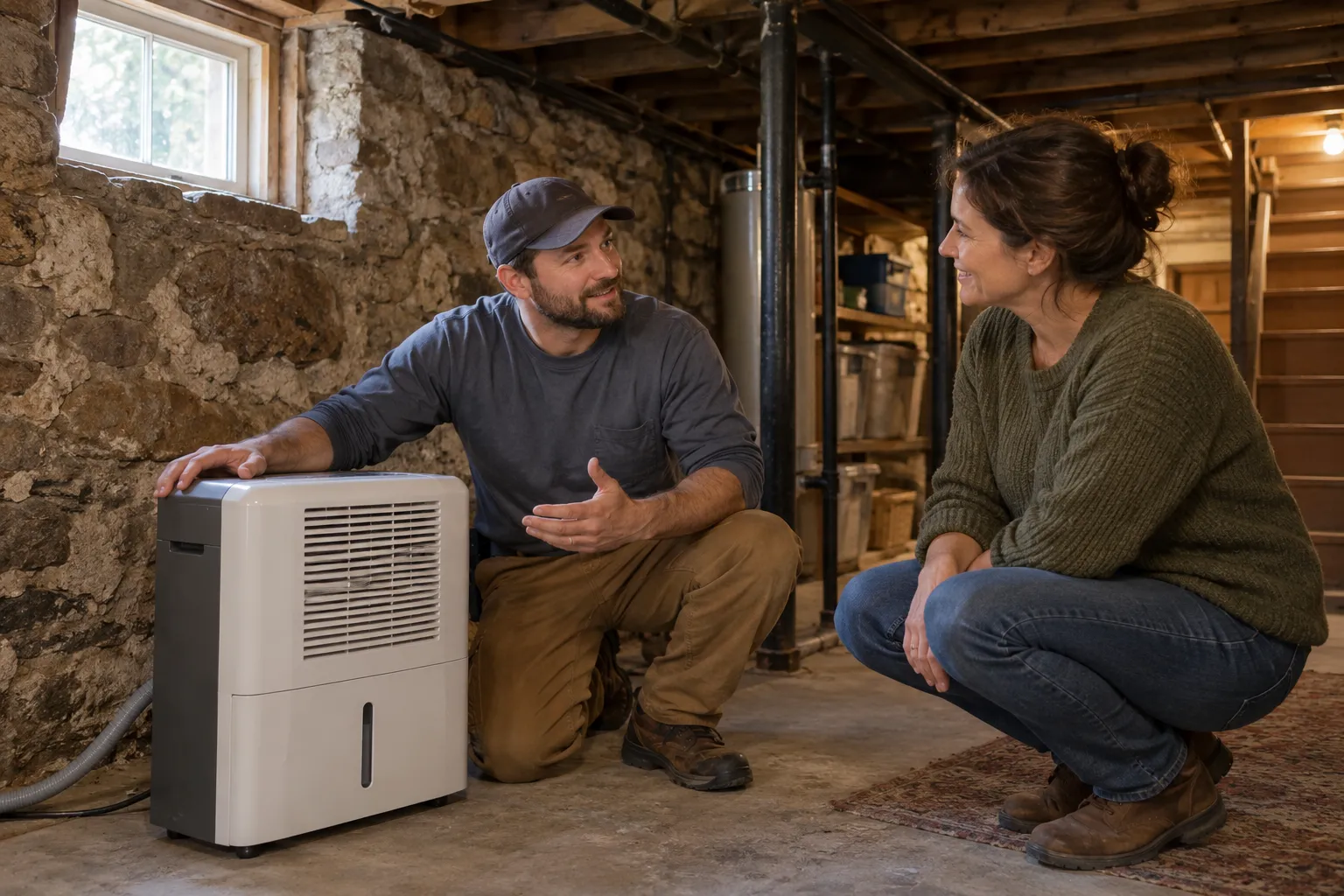
Many houses in this region are older. Stone and block foundations can let moisture seep through cracks and joints. Full basements are common, and they are often the first place water shows up. Cape Cod style homes have tight attic spaces and low rooflines, so leaks can hide for a while. Multi-family buildings add another twist, because water from one unit can travel to the next.
The weather matters too. Cold, snowy winters can crack pipes. Repeated ice and thaw can open small gaps around foundations. Spring snowmelt and coastal storms can send water against basement walls.
A local provider knows these patterns. They have seen what a wet spring does to a block foundation, and they plan for it.
Want to know what the work might involve for your home? Ask for an estimate. There is no obligation.
Request an Estimate
Costs vary by job, so always ask for a written quote.
A Season-by-Season Guide for Homeowners
Winter: pipes and ice
When the temperature drops hard, water inside pipes can turn to ice and split the pipe. You may not notice until the ice melts. If you see a damp spot on a ceiling or wall in cold weather, shut off the main water valve and look for the source.
Late winter: the thaw
Snow piled against the house melts into the ground. If the ground is still hard, the water has nowhere to go. It can push toward the foundation and find a way in. Clearing snow away from walls helps.
Spring: snowmelt and rain
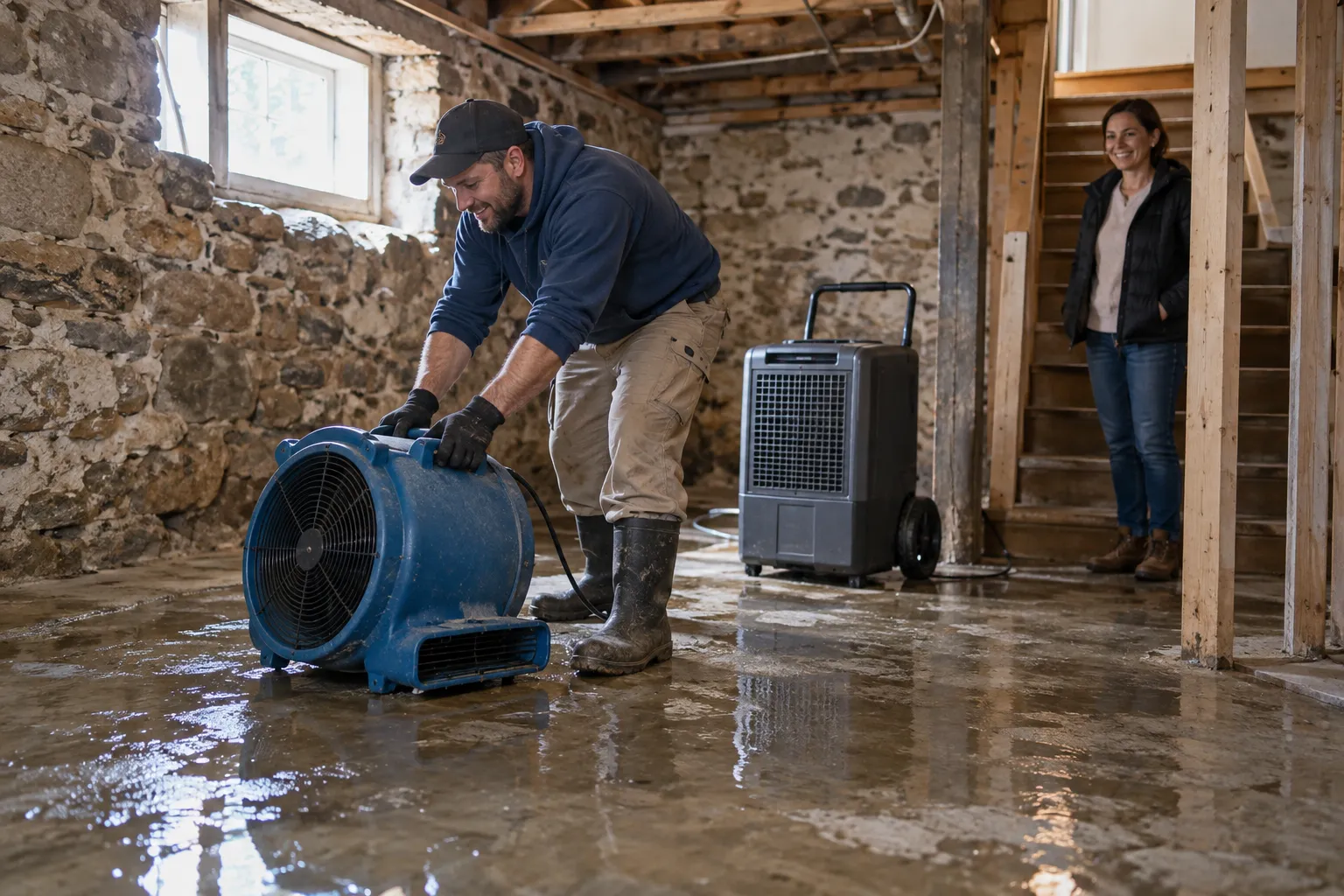
Spring is a busy time for flooded basement cleanup. Groundwater rises, sump pumps work hard, and old stone or block walls can seep. Test your pump early. Check that downspouts carry water away from the house.
Summer and fall: storms and prep
Coastal storms can bring heavy rain and wind. Roof leaks and window leaks often show up after a big storm. Fall is a good time to clean gutters, check the roof, and look at pipes before cold weather returns.
What to do in the first hour
If it is safe, turn off the water source. Stay away from wet outlets and flooded areas near electrical panels. Take photos and short videos. Move small items to dry ground. Then reach out to a provider.
Will insurance help?
Some policies may cover sudden damage, such as a burst pipe. Others may not cover flooding from groundwater. Check your policy, and ask your insurer. Providers can often help document damage for a claim.
What it may cost
Typical U.S. costs vary a lot. A small water extraction and drying job may run from about $1,000 to $4,000. Larger jobs or flooded basements can cost more. Size, water type, and materials all matter. Get a written quote before work starts.
Picking a provider
Ask if the provider is licensed and insured where you live. Ask what the quote includes. Ask how they will dry the space and check the results. A good provider explains each step in plain words.
Ready When You Are
If water is still coming in, deal with safety first. Then reach out. Request a callback to check provider availability, or send a request and a provider can follow up.
Request an Estimate
You can also write to contact@administrativecross.living with questions. There is no obligation, and you choose whether to move forward.